CA LICENSE #1091603 · BONDED · WORKERS' COMPMON–SAT 7AM–7PM · 24/7 EMERGENCY
  1. Home
  2. Trees
  3. Chinese elm

The species file · lacebark elms

Chinese elms are everywhere in the Valley. So are their dropped limbs.

Tough, fast, graceful, and nearly indestructible in alkaline desert soil — there's a reason Chinese elms shade half the older streets in Palmdale and Lancaster. There's also a reason so many storm-damage calls start with one: fast-grown limbs on crowded attachments, a canopy it keeps through winter storms, and sucker thickets wherever a bad cut was made. Regular structural pruning is what keeps this tree the good kind of everywhere.

FREE ESTIMATES · NO DEPOSIT · NO OBLIGATION

#1091603CSLB LICENSE — ACTIVE
$25,000CONTRACTOR'S BOND
State FundWORKERS' COMP ON FILE
5.0GOOGLE · 50 REVIEWS
20+YEARS OF EXPERIENCE

Know your tree

Is this the tree in your yard?

The giveaway is the bark — 'lacebark' isn't marketing, it's a description. Once you've seen the puzzle-piece trunk you'll start noticing this tree on every block in the older neighborhoods.

01
Bark

Mottled, flaking puzzle-pieces of gray, orange, and tan — the lacebark. No other common Valley tree has a trunk like it.

02
Leaves

Small (about an inch), glossy, neatly saw-toothed leaves on fine twiggy growth — a soft, ferny texture from across the street.

03
Form

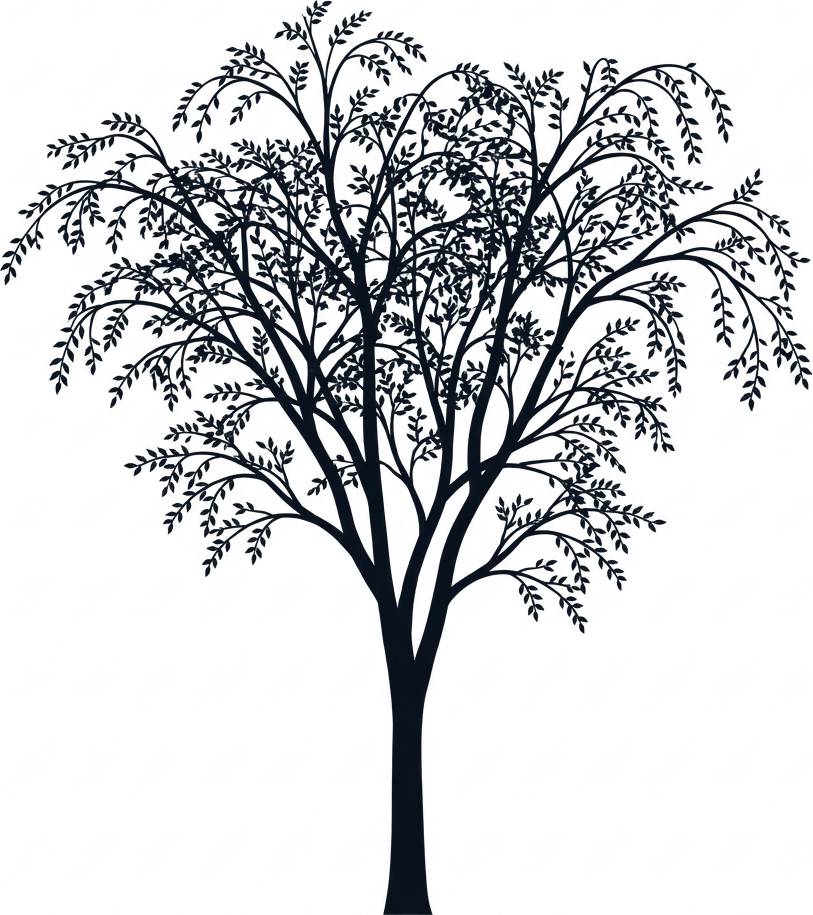
A graceful vase or rounded-weeping canopy, usually on multiple leaders that share the trunk — which is exactly where its structural trouble lives.

04
Not the 'trash elm'

Often confused with Siberian elm (Ulmus pumila), the coarse, truly brittle one. Chinese elm has the small leaves and lacebark; Siberian has bigger dull leaves and furrowed gray bark. The Valley has both — both drop limbs, the Siberian worse.

SPECIES FILE — CHINESE ELM

Botanical
Ulmus parvifolia
Mature size
30–60 ft, spread often wider than height
Growth rate
Fast — 2–3 ft a year in Valley yards
Semi-evergreen
Holds leaves deep into winter here — wind load year-round
Watch for
Tight V-crotches · long limbs over roofs · dark flux stains on the bark
Also called
lacebark elm · evergreen elm

What goes wrong

The trouble it causes here.

01

Crowded attachments, dropped limbs

Multiple fast-grown leaders squeezed into narrow V-crotches with bark pinched inside the union — growth outruns attachment strength, and whole limbs peel out in wind. Our own insurance guide lists Chinese elm for frequent limb-drop damage to property, and it matches what we see on driveways after every storm.
02

Winter wind load

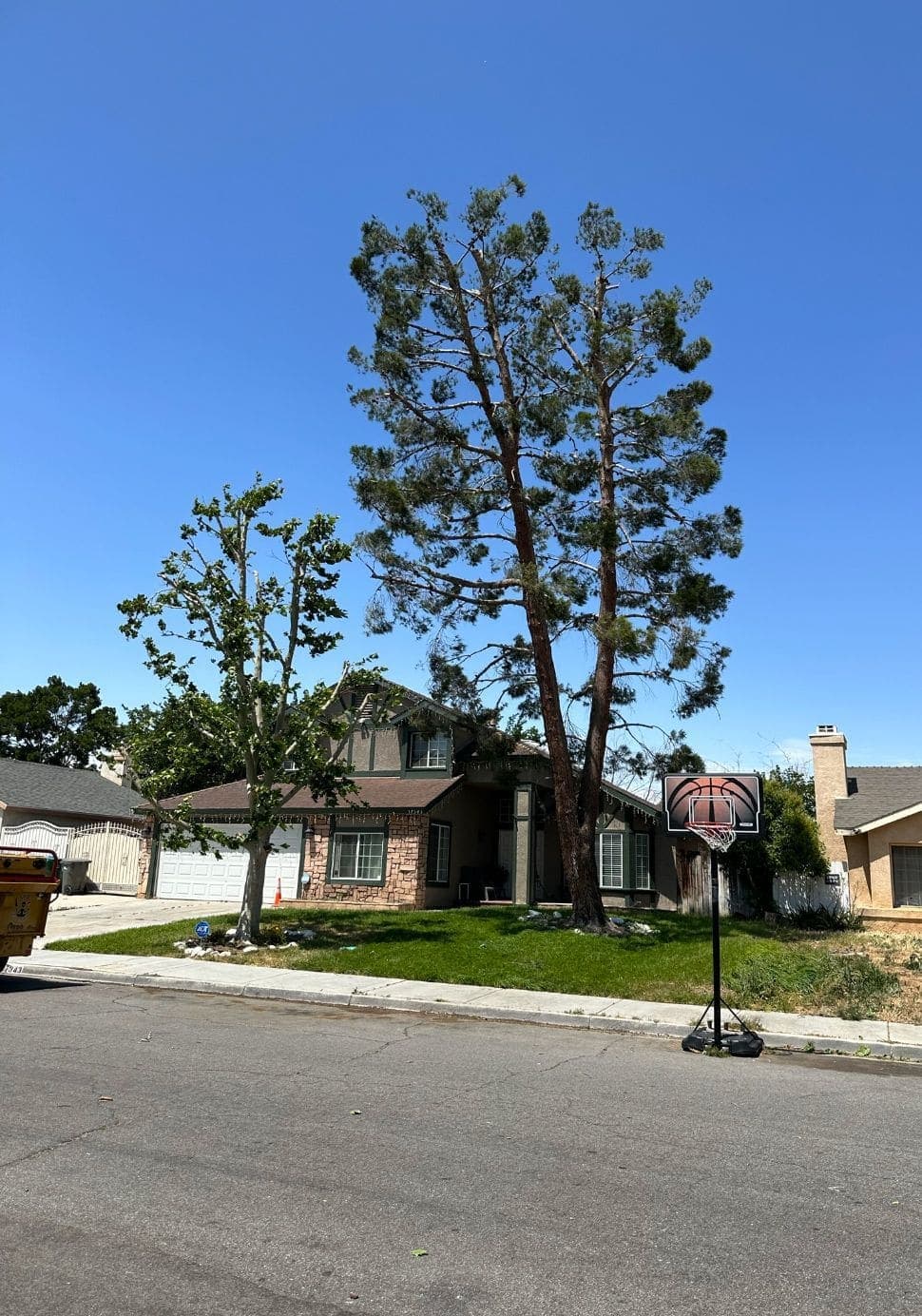
In the Valley's mild years a Chinese elm holds most of its canopy deep into winter — so when the big winter wind events arrive, it's standing there in full sail while every other deciduous tree on the street has gone bare. The storms find them first.

03

The topping legacy

For decades these were topped 'because they take it.' They do regrow — into dense brooms of watersprouts, every one attached weaker than the limb it replaced. A topped elm needs patient structural correction over a few visits, not another shearing.

04

Roots at the surface

Aggressive shallow roots lift sidewalks, patios, and lawn sprinkler lines as the tree matures — and a stump left un-ground will sucker straight back into a thicket. With this species, the stump grind isn't optional cleanup, it's the end of the tree.

How we work it

How we handle this tree.

Chinese elm is the tree that most rewards doing pruning properly — structure over shape. A well-structured elm is genuinely one of the best trees in the Valley; an ignored or topped one is a slow-motion insurance claim.

01
Structure over shape

We work the unions, not the outline: subordinating competing leaders, clearing included-bark crotches, and putting space between limbs that share an attachment. That's what actually stops the limb drops.

02
Thin the sail on a cycle

This species regrows fast enough that thinning is a rhythm, not a one-time fix — and because it stands in leaf through winter storms, the cycle matters more here than in milder places.

03
Rehab the topped ones

Sprout-crown elms get corrected gradually: choosing the best-attached sprouts to become the new limbs and removing their rivals over two or three visits. Slower than re-shearing — but it ends the cycle instead of feeding it.

04
Remove and actually finish

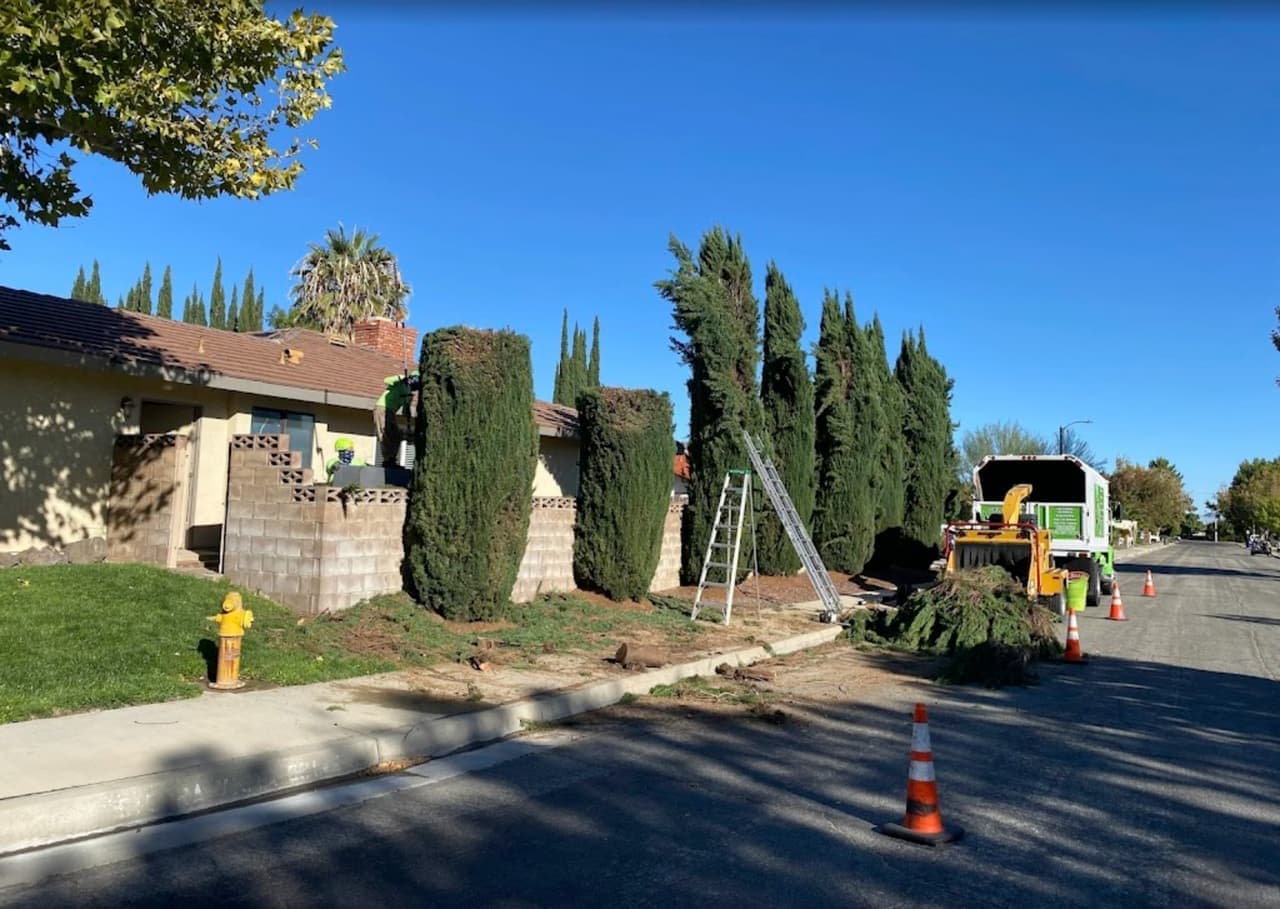
When the placement was wrong — over the sewer lateral, under the service drop — sectional removal, then grinding 4–6 inches below grade. Skip the grind on an elm and the tree votes to stay.

PUBLISHED PRICES — IN WRITING

Most Chinese elm work is trimming — the published $150–$800 per tree, with big overgrown crowns at the top of that range. Removals follow the published tiers ($300–$900 small, $700–$1,800 medium, $1,500–$4,000 large), and the $300–$600+ stump grind earns its keep on this species: an un-ground elm stump grows back.

See what your job costs →

RANGES FROM OUR 2026 COST GUIDE · EXACT QUOTE IS FREE, ON-SITE

Straight answers

Asked constantly.

Real questions from Antelope Valley phone calls — answered the same way we answer them on your driveway.

STILL WONDERING?Ask a human instead.661-644-7347

In the Valley, a structural thinning every few years keeps one honest — this species grows fast enough, and holds leaf long enough into winter, that letting it run a decade is how the limb-drop calls happen. We'll look at yours free and tell you a real schedule, not a subscription pitch.

No, and the difference matters. Chinese elm (small glossy leaves, flaking lacebark trunk) is a genuinely good tree with a structural weakness. Siberian elm (bigger dull leaves, furrowed gray bark) is the notoriously brittle one arborists groan about. Both grow here and both drop limbs — but the Siberian does it worse, and we prune the two differently.

Because your elm was probably still in leaf. Chinese elms hold canopy deep into a mild Valley winter, so the winter wind events load them like it's July while the trees around them stand bare. Add a tight V-crotch and wet soil, and that's the whole story. Weight reduction and structural pruning before storm season is the fix.

This is the elm that famously resists it — a big part of why it was planted everywhere after the disease devastated American elms. The problems you actually manage here are structural: crowded leaders, fast regrowth, and the occasional elm leaf beetle year. Good pruning handles the part that matters.

Priority dispatch

Emergencies jump the queue. 24/7.

A split trunk or a tree on your roof doesn't go on a waitlist. Emergency calls get the next available crew — any hour, any day — and you reach the crew, not a call center.

661-644-7347
I need emergency tree removal

24/7 · LICENSED #1091603 · BONDED · WORKERS' COMP ON FILE

Not sure it's an emergency? Here's what counts →