CA LICENSE #1091603 · BONDED · WORKERS' COMPMON–SAT 7AM–7PM · 24/7 EMERGENCY
  1. Home
  2. Trees
  3. Fruitless mulberry

The species file · mulberries

The most-topped tree in the Antelope Valley. That's exactly the problem.

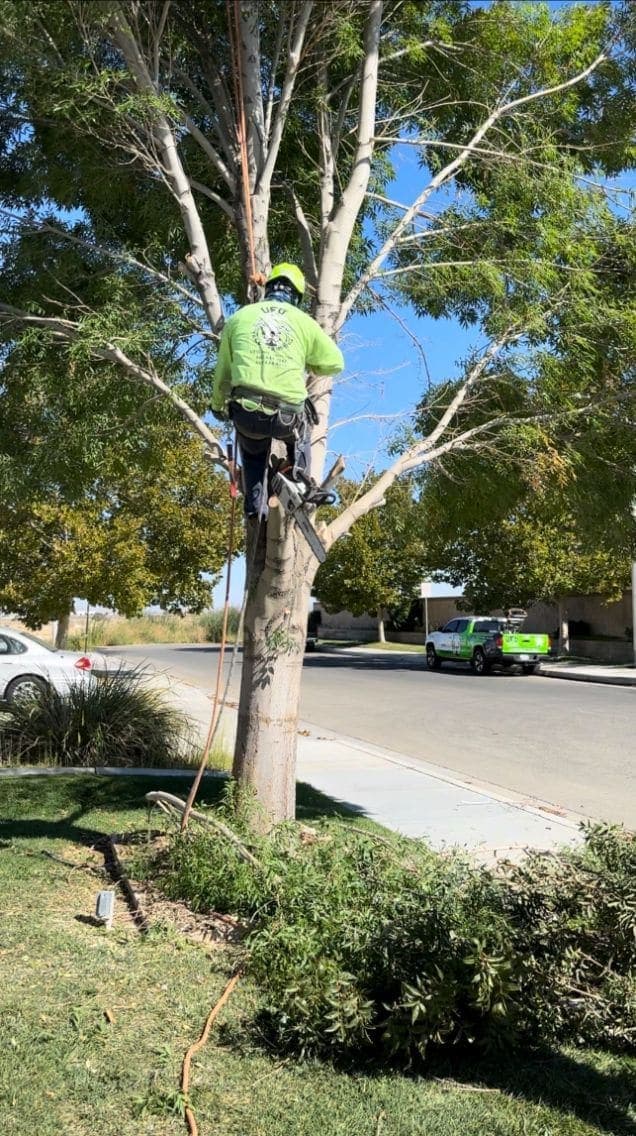
Fruitless mulberries were planted by the thousand across Palmdale and Lancaster for one glorious feature: dense, fast, cheap shade. Then most of them spent thirty years being sheared into knuckles every winter. The result is the Valley's signature pruning problem — huge canopies of fast regrowth riding on old topping wounds — and it's fixable, if you stop shearing and start structuring.

FREE ESTIMATES · NO DEPOSIT · NO OBLIGATION

#1091603CSLB LICENSE — ACTIVE
$25,000CONTRACTOR'S BOND
State FundWORKERS' COMP ON FILE
5.0GOOGLE · 50 REVIEWS
20+YEARS OF EXPERIENCE

Know your tree

Is this the tree in your yard?

If a Valley front yard has one big tree with a perfectly round, impossibly dense crown — or a winter skeleton with clubbed fists at the end of every limb — it's a fruitless mulberry, and its pruning history is written all over it.

01
Leaves

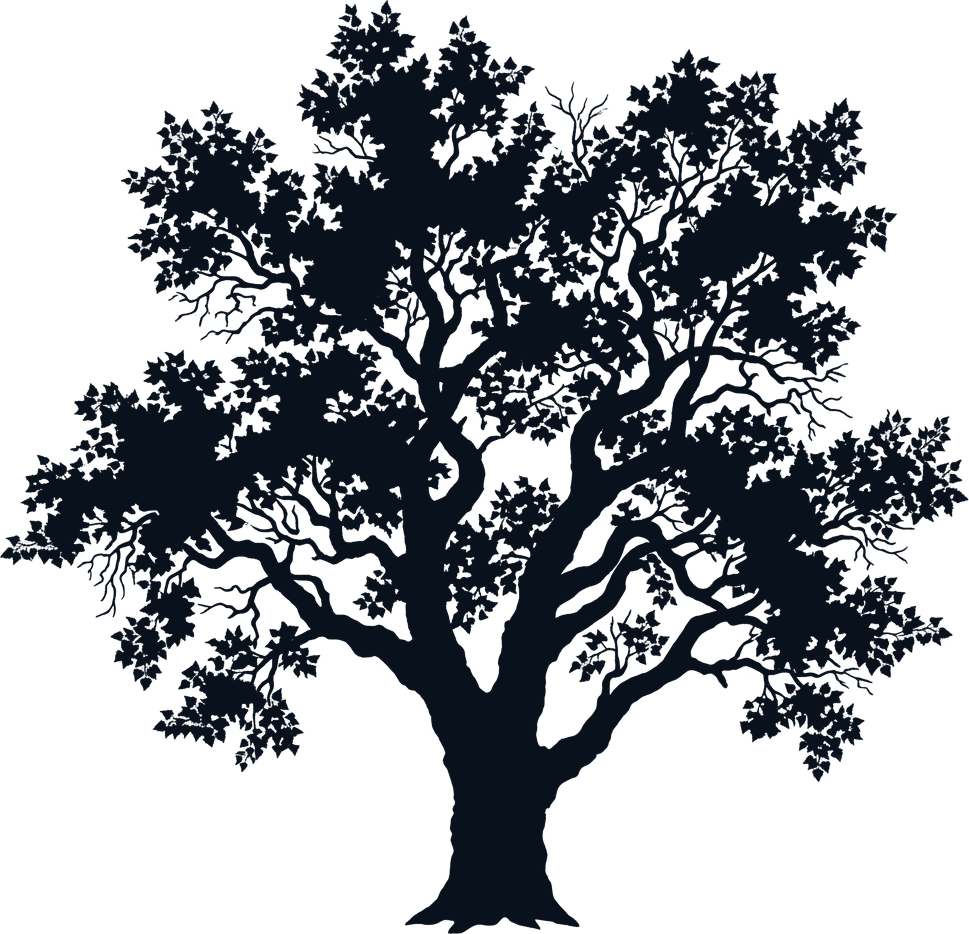
Big, glossy, and famously variable — heart-shaped, mitten-shaped, and multi-lobed leaves on the same branch. The shade under them is close to solid. Clear yellow in fall.

02
The winter knuckles

Decades of topping leave swollen fists at the limb ends. Each spring, sprouts erupt from them by the dozen — on many older trees, that whip-thin regrowth IS the entire crown.

03
Bark & form

Gray-brown, lightly furrowed bark on a short, stout trunk; broad spreading form, wider than tall, built to put a roof of leaves over a patio.

04
Pollen, not berries

Fruitless means male. No fruit mess — but heavy spring pollen, which is why this tree headlines every Antelope Valley allergy season.

SPECIES FILE — FRUITLESS MULBERRY

Botanical
Morus alba (fruitless cultivars)
Mature size
20–50 ft, canopy often wider than the tree is tall
Growth rate
Very fast — regrows a whole canopy in a season
Shade
Among the densest of any Valley tree
Watch for
Knuckled limb ends · watersprout thickets · roots lifting the lawn
Also called
white mulberry · shade mulberry · mora

What goes wrong

The trouble it causes here.

01

The topping cycle

Shear a mulberry once and you've signed up forever: it answers with dozens of watersprouts per cut, each anchored in dying stub wood. Within two seasons the crown is bigger, denser, and worse-attached than what was removed — so it gets sheared again, harder. Every pass makes the tree more expensive and less safe.
02

Sprout limbs on wound wood

The knuckles are part-decayed inside — they're old wounds, not sound structure. When a watersprout grows into a six-inch limb, it's a big lever anchored in soft wood. Wind strips those limbs out of the knuckles, usually over the patio the tree was planted to shade.

03

Roots vs. everything green and flat

Thirsty surface roots plus near-solid shade is a hard combination for whatever lives below: lawns starve, sprinkler lines lift, walkways tilt. Under an old mulberry, the ground is the tree's, not yours.

04

Spring pollen

Male trees release serious pollen, and there's no pruning cure — anyone who promises to 'trim the allergies out' is selling you a haircut. A thinner, better-structured crown does carry less surface, but the real fixes are tolerance or replacement.

How we work it

How we handle this tree.

Mulberry work is rehab work. The goal is to break the topping cycle without giving up the shade — and this species cooperates, because it grows fast enough that structural correction shows results in a single season.

01
Read the knuckles

Before anything is cut we sort the crown: which sprout limbs are soundly attached, which knuckles are hollow, where the keepers are. On a rehab tree, choosing what stays matters more than what goes.

02
Select, thin, subordinate — never shear

The best-placed sprouts get promoted into permanent limbs; their rivals come out. The crown ends up lighter, better anchored, and still casting the shade the tree was planted for.

03
Restore over two or three visits

A crown sheared for thirty years can't be fixed in one pass without shocking the tree into another sprout explosion. We'll give you the schedule up front — this is a program, not an appointment.

04
Know when it's done

Some old mulberries are more wound than wood — hollow knuckles, decayed unions, no sound structure left to build on. Those are removals, and the stump gets ground: mulberries sucker back from anything left behind.

PUBLISHED PRICES — IN WRITING

Most mulberry work is trimming — the published $150–$800 per tree, with badly overgrown rehab crowns at the top of the range. Removals follow the published tiers ($300–$900 small, $700–$1,800 medium, $1,500–$4,000 large), plus $300–$600+ to grind the stump — worth it on a species this determined to come back.

See what your job costs →

RANGES FROM OUR 2026 COST GUIDE · EXACT QUOTE IS FREE, ON-SITE

Straight answers

Asked constantly.

Real questions from Antelope Valley phone calls — answered the same way we answer them on your driveway.

STILL WONDERING?Ask a human instead.661-644-7347

Because topping is the reason the tree needs work every single year. Every shear buys one tidy summer and pays for it with a denser, weaker crown that costs more to manage next time. Structural pruning costs about the same per visit and actually compounds in your favor — fewer sprouts, stronger limbs, longer gaps between visits.

If a tree has been managed as a true pollard from youth — same cut points, every year, without fail — that's a legitimate style and we can maintain it. But most Valley mulberries got random big cuts into old wood, which is a different thing entirely. We'll look at yours and tell you which tree you own.

The mulberry is winning twice: its canopy blocks most of the light and its surface roots drink first. Raising and thinning the crown buys the lawn some light — or you can stop fighting biology and mulch that zone. We'll tell you which fight is winnable.

Structural work is best in winter dormancy, when the skeleton is visible and the tree has energy banked for the spring push. Light cleanups are fine any time. What we avoid is heavy cutting in summer heat — this species answers stress with sprouts.

Priority dispatch

Emergencies jump the queue. 24/7.

A split trunk or a tree on your roof doesn't go on a waitlist. Emergency calls get the next available crew — any hour, any day — and you reach the crew, not a call center.

661-644-7347
I need emergency tree removal

24/7 · LICENSED #1091603 · BONDED · WORKERS' COMP ON FILE

Not sure it's an emergency? Here's what counts →