Stay clear first
If a power line is down, the structure is unstable, or you smell gas, keep your distance and call 911. Nothing below matters more than this.
Storm damage · insurance claims · the Antelope Valley
Whether your homeowners insurance covers the removal often comes down to what happens before anyone touches the tree. We respond 24/7, make the site safe, and hand you the photos, written estimate, and documentation an adjuster asks for — so the fastest cleanup doesn't quietly cost you the coverage.
ANSWERED 24/7 · WE DOCUMENT FOR YOUR CLAIM · LICENSED #1091603
Why the crew you call matters
An adjuster is deciding whether a real, covered loss happened — and they decide it from evidence. The difference between a smooth claim and a stressful one is usually documentation: what got photographed, what got written down, and when. After 20+ years of storm calls across the valley, that's the part we've made routine.
We're your tree crew, not your insurance company — we can't file or approve anything. What we hand you is the paperwork the claim will ask for, and a 24/7 response that captures it before the evidence is gone.
What we hand your claim
The first hour
If a power line is down, the structure is unstable, or you smell gas, keep your distance and call 911. Nothing below matters more than this.
The whole tree, the impact point on the roof or wall, the root or trunk that failed, and any car or fence involved. This is the single biggest thing that protects your claim.
Tarp an opening, move a reachable vehicle, shut off a utility if you safely can. Don't climb or cut anything yourself.
Report the storm or wind event, the damage, the access problem, and any emergency work already done. Early reporting reads well on a claim.
We make the site safe, remove what has to come down, and document the whole thing for your claim. You reach the crew, not a call center — any hour.
Photos, videos, our invoice and written estimate, and receipts for any temporary repairs. The claim will ask for all of it.
Setting expectations honestly
Usually covered
Usually your responsibility
Coverage is always your insurer's decision, not ours — every policy is different. For the full breakdown of what's covered, the real Antelope Valley claim examples, and the trees that show up most, read the complete insurance guide.
Before you file
Real questions from Antelope Valley phone calls — answered the same way we answer them on your driveway.
STILL WONDERING?Ask a human instead.661-644-7347 →Sometimes. It usually applies when a covered event like a storm or windstorm drops a tree onto a structure — your home, roof, garage, fence, or (depending on your policy) a vehicle. A healthy or dead tree that falls and hits nothing is generally treated as a maintenance responsibility and isn't covered.
Usually your own policy is the first one involved. Your neighbor's liability only comes into play if negligence can be proven, such as an ignored warning about a clearly hazardous tree. It's a common misconception that the tree's owner automatically pays.
Photograph everything before it moves — the roof or wall impact, the whole tree, the root or trunk failure, and any car or fence involved. Clearing the scene too fast removes the evidence an adjuster needs and can slow down or shrink your claim. The first hour matters more than most people realize.
No — we're your tree crew, not your insurer, so we can't approve or file a claim on your behalf. What we do is respond 24/7, make the site safe, and give you the dated photos, itemized written estimate, and documentation your claim needs to move quickly. Call 661-644-7347 any hour.
From the field guide
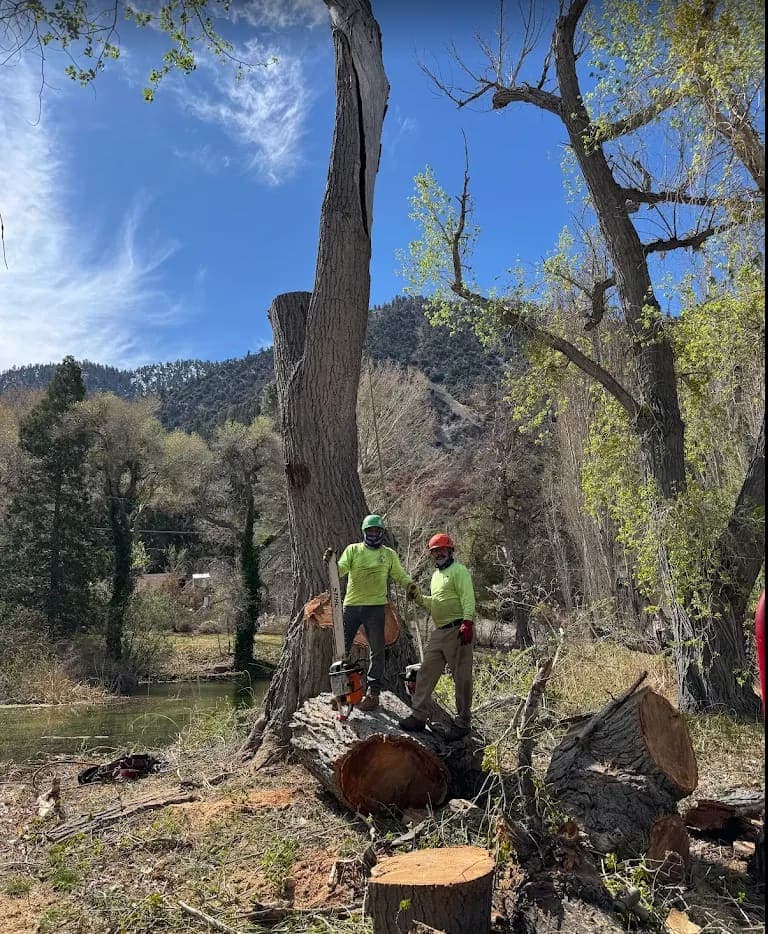
Does homeowners insurance cover tree removal? What's covered in Palmdale, Lancaster & the Antelope Valley after storm damage, with real claim examples.
The 5 warning signs a tree in Palmdale or Lancaster may need removal — trunk cracks, calm-day branch drops, a worsening lean, root damage, and decay.
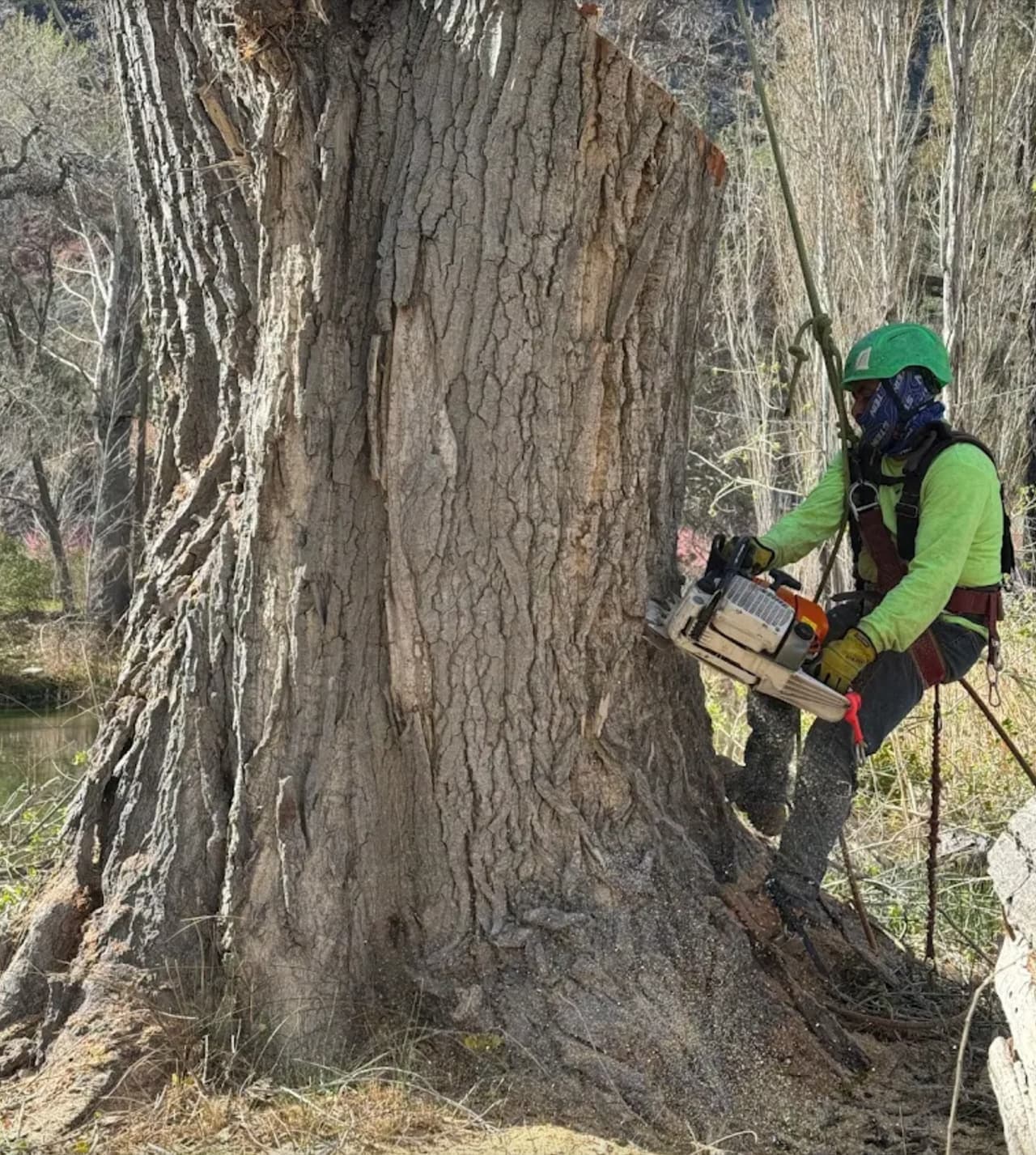
Most residential tree removals in Palmdale and Lancaster don't require a city permit. The exceptions — oaks, HOAs, street trees — are what trip people up.
Priority dispatch
A split trunk or a tree on your roof doesn't go on a waitlist. Emergency calls get the next available crew — any hour, any day — and you reach the crew, not a call center.
661-644-734724/7 · LICENSED #1091603 · BONDED · WORKERS' COMP ON FILE