CA LICENSE #1091603 · BONDED · WORKERS' COMPMON–SAT 7AM–7PM · 24/7 EMERGENCY
  1. Home
  2. Trees
  3. Liquidambar

The species file · sweetgums

The best fall color in the Valley. The worst thing to step on.

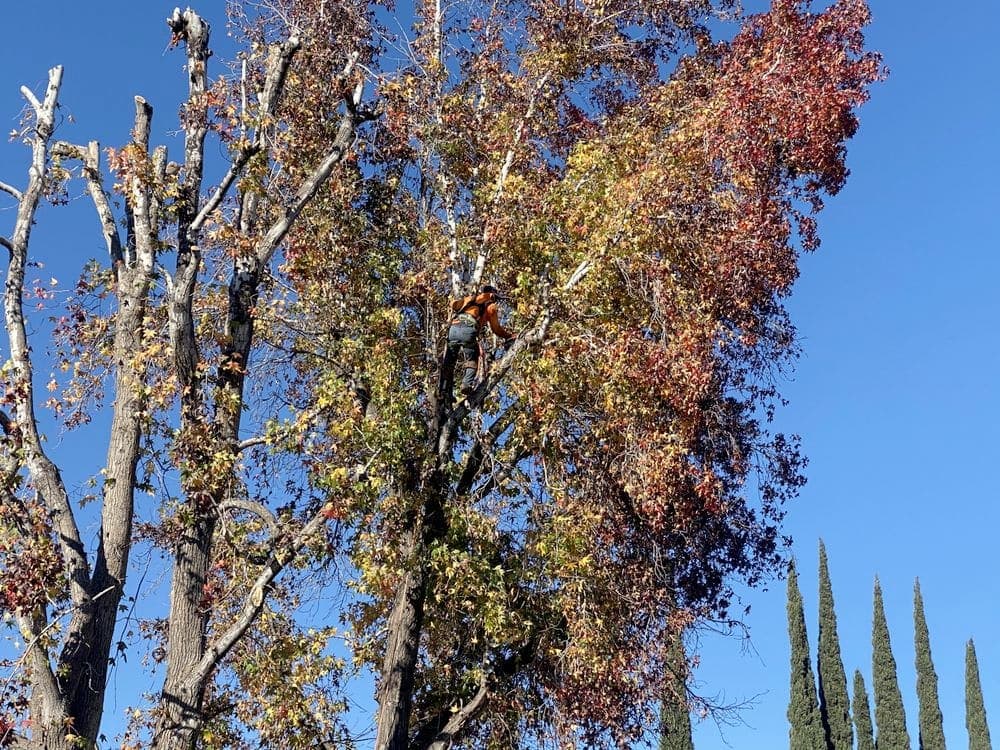
Liquidambars were planted across Palmdale and Lancaster to give a maple-less climate its autumn — and every October they deliver, burning red, orange, and purple on cue. Then the gumballs come down. Spiked, ankle-turning, lawnmower-launching seed balls by the thousand, from fall into spring. Most sweetgum decisions come down to a simple weighing: six weeks of glory against six months of caltrops.

FREE ESTIMATES · NO DEPOSIT · NO OBLIGATION

#1091603CSLB LICENSE — ACTIVE
$25,000CONTRACTOR'S BOND
State FundWORKERS' COMP ON FILE
5.0GOOGLE · 50 REVIEWS
20+YEARS OF EXPERIENCE

Know your tree

Is this the tree in your yard?

People meet this tree twice: in October, when they ask what the gorgeous red one is — and in January, barefoot, when they find out.

01
Leaves

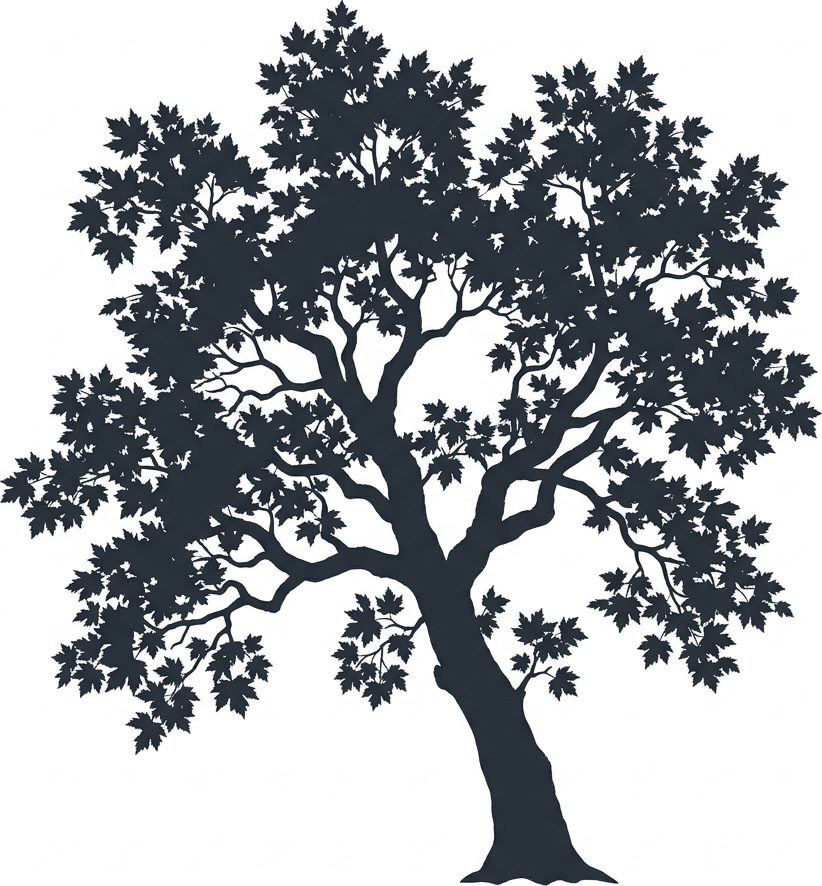
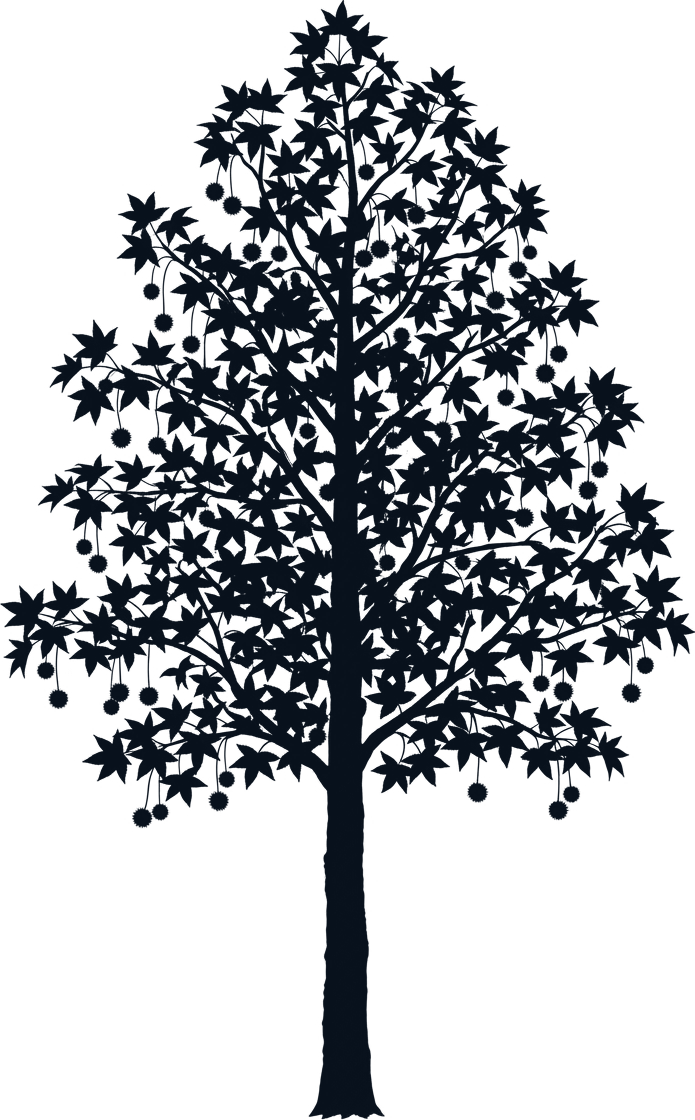
Five-to-seven-point stars — maple-like but alternate on the twig and glossier — turning spectacular mixed red, orange, and deep purple in fall.

02
The gumballs

Spiky golf-ball seed pods hanging on thin stems, then carpeting the ground from fall into spring. They don't rot, they don't flatten, and they roll underfoot exactly like they look like they would.

03
Twigs & form

Corky ridged wings along young twigs; a tidy pyramidal crown in youth that broadens with age.

04
Summer yellowing

Pale leaves with green veins in the heat of summer is iron chlorosis — the high desert's alkaline soil locking iron away from a tree that evolved in acid ground. Common here, fixable, frequently misread as the tree dying.

SPECIES FILE — LIQUIDAMBAR

Botanical
Liquidambar styraciflua
Mature size
30–60 ft, neat and pyramidal when young
Growth rate
Moderate to fast
The payoff
The most reliable fall color in the high desert
Watch for
Gumball carpets · yellowing summer leaves · lifted walkways
Also called
sweetgum · American sweetgum · gumball tree

What goes wrong

The trouble it causes here.

01

The gumballs

The whole case, up front: months of spiked balls on walkways, driveways, and lawns — a slip hazard for anyone unsteady, a projectile in a mower, and the single most common HOA complaint a tree generates here. There's no trim that stops them, and anyone who says otherwise is quoting you a haircut.
02

Alkaline-soil chlorosis

Desert soil holds iron in a form sweetgums can't use, so summer canopies fade yellow while the veins stay green. Untreated for years it weakens the tree into real decline — but it's a soil chemistry problem with soil chemistry answers, not a death sentence. Diagnosis first, obituary later.

03

Roots in the parkway

Liquidambars went into five-foot parkway strips all over SoCal, and their shallow roots have been lifting the adjacent sidewalks ever since. In yards it's the same story at patio scale — the root flare wants more room than it was given.

04

Tight forks in a windy valley

Sweetgums like to build competing leaders with narrow crotches, and Antelope Valley wind finds them — the classic failure is a co-dominant leader tearing out in a spring gust. Early structural pruning prevents it; on mature trees, weight reduction manages it.

How we work it

How we handle this tree.

Sweetgum work splits cleanly: keep the tree healthy and structurally honest, and be completely straight with the owner about the balls.

01
Structure against the wind

One dominant leader on young trees; on mature ones, subordinating rivals and reducing end weight at the tight forks the wind will otherwise test. This is where sweetgum pruning money actually works.

02
Call the chlorosis

Yellow-with-green-veins gets named for what it is — an iron availability problem, treatable through the soil. We name it rather than selling pruning for a chemistry problem, and we'd rather point you at the fix than watch a good tree fade.

03
Gumball honesty

Fruit-elimination sprays exist, but they're licensed-applicator work with a narrow bloom-time window and unreliable coverage on a big canopy. Our version: canopy reduction trims the crop at the margins, cleanup rhythm handles the season, and if the balls have genuinely won, we say so.

04
The trade, priced plainly

When a sweetgum comes out, it's almost always the gumballs, not the tree — so we price the removal and grind plainly, and if you want fall color without the caltrops, we'll name replacement trees that keep October and skip January.

PUBLISHED PRICES — IN WRITING

Sweetgum trimming runs the published $150–$800 per tree; removals follow the published tiers — most yard liquidambars land in the $700–$1,800 medium or $1,500–$4,000 large range — plus $300–$600+ to grind the stump. If the reason is gumballs, we'll say the quiet part on the estimate: the trim won't stop them, and we price both paths so you can choose with open eyes.

See what your job costs →

RANGES FROM OUR 2026 COST GUIDE · EXACT QUOTE IS FREE, ON-SITE

From our own jobs

This species, our crew.

Full gallery →

Straight answers

Asked constantly.

Real questions from Antelope Valley phone calls — answered the same way we answer them on your driveway.

STILL WONDERING?Ask a human instead.661-644-7347

No trim can, and we won't pretend. The balls come from the whole flowering canopy. Bloom-time suppression sprays exist but are licensed-applicator territory, timing-critical, and inconsistent on mature trees. The real options: reduce the canopy (fewer, not zero), keep a cleanup rhythm through the season, or replace the tree. We'll price whichever you choose without spin.

More likely it's hungry, not dying — iron chlorosis from our alkaline soil shows exactly this way: pale leaves, green veins, worst on new growth. It's treatable through the soil, and catching it early matters. If the yellowing comes with dieback at the top, that's a different conversation — send a photo and we'll tell you which page you're on.

Given a mature liquidambar within a crown-width of concrete — eventually, probably. The species roots shallow, and it was planted next to hardscape all over the Valley. Options range from root-aware pruning at the smaller roots to hardscape rework to removal; which one makes sense depends on the tree, and the look at it is free.

It's telling you where it's weak — sweetgums build narrow forks, and a fork that failed once has siblings under the same load. Structural pruning after a failure is triage that works: subordinate the remaining rivals, reduce the end weight, and check the wound for decay going forward. Ignoring it is how the second failure picks the target.

Priority dispatch

Emergencies jump the queue. 24/7.

A split trunk or a tree on your roof doesn't go on a waitlist. Emergency calls get the next available crew — any hour, any day — and you reach the crew, not a call center.

661-644-7347
I need emergency tree removal

24/7 · LICENSED #1091603 · BONDED · WORKERS' COMP ON FILE

Not sure it's an emergency? Here's what counts →