CA LICENSE #1091603 · BONDED · WORKERS' COMPMON–SAT 7AM–7PM · 24/7 EMERGENCY
  1. Home
  2. Trees
  3. Cottonwood

The species file · cottonwoods

The fastest shade in the desert. Nothing that fast is free.

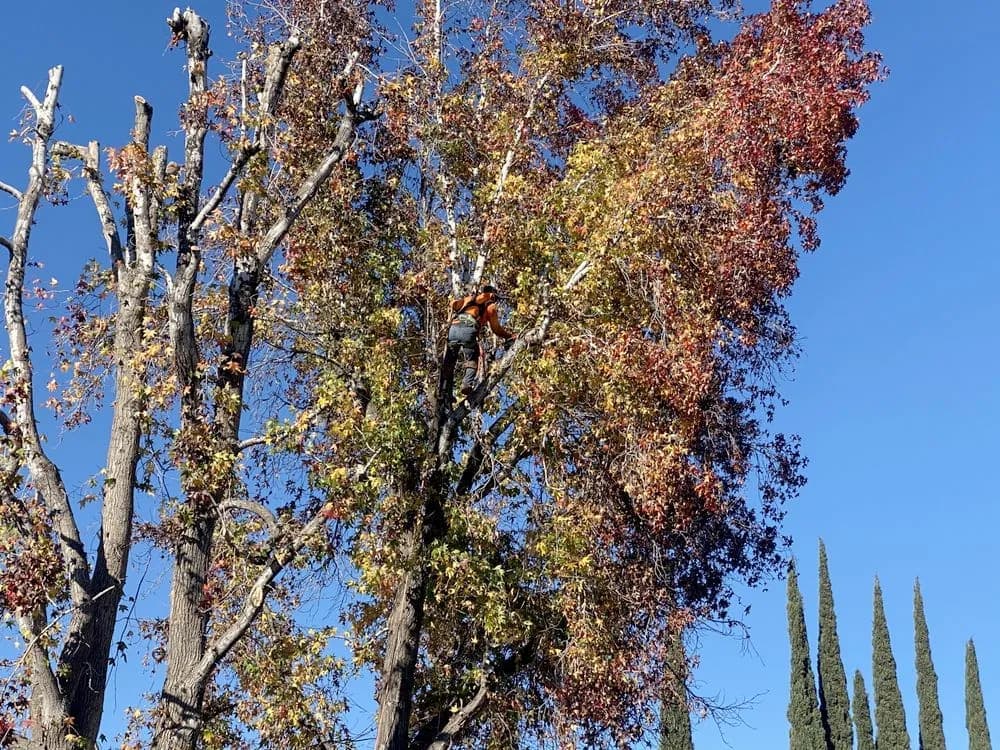
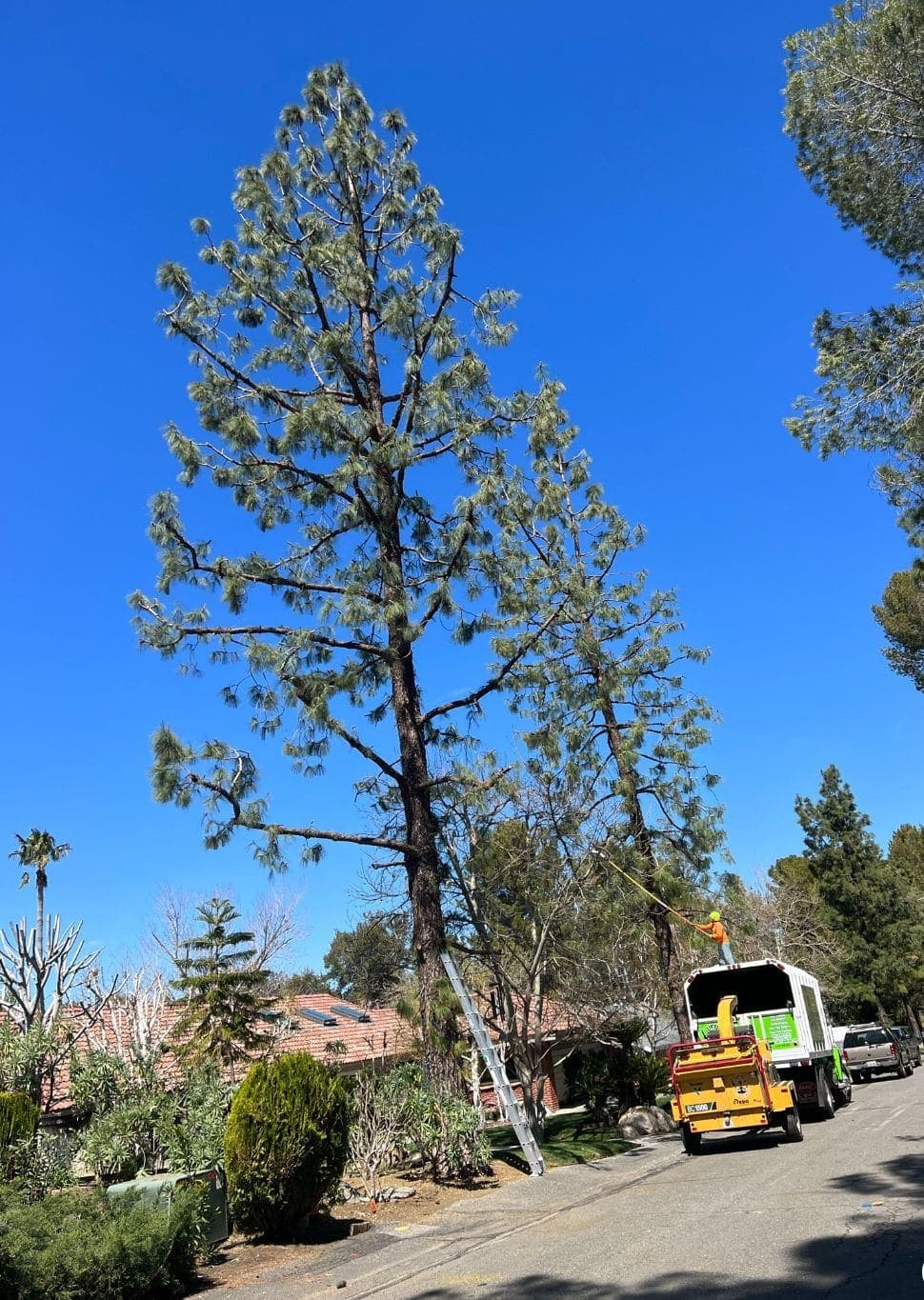
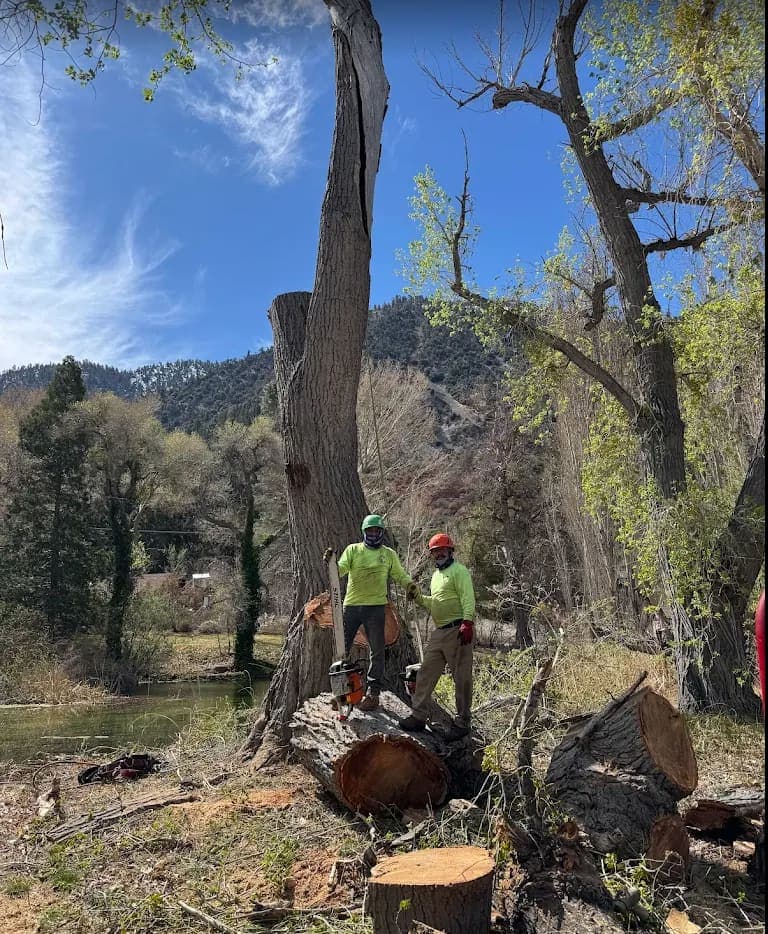
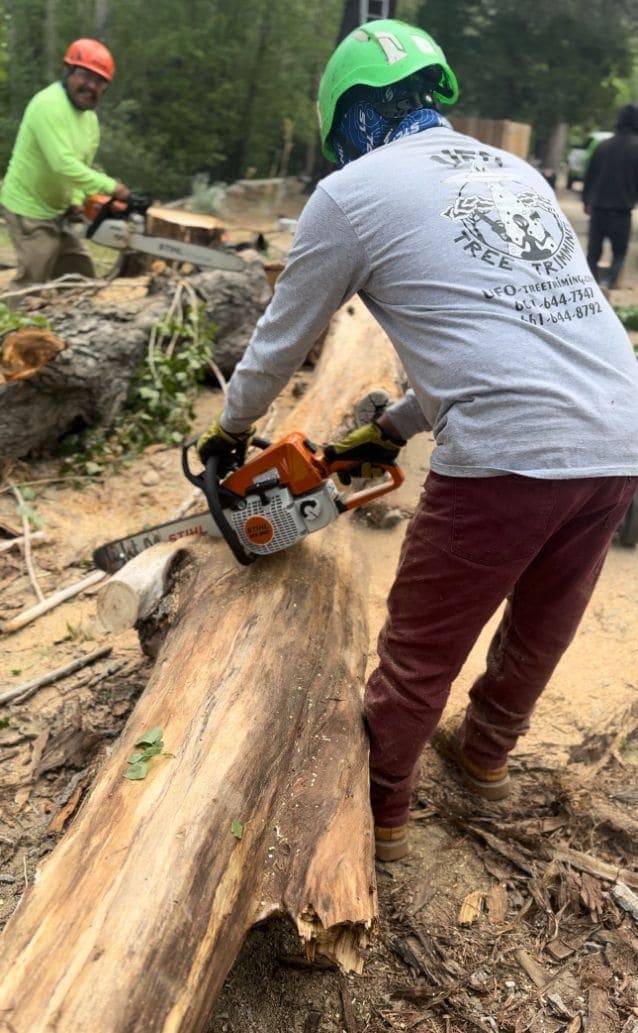
Fremont cottonwoods are wash-bottom natives that ended up in Valley yards for one reason: speed. The same biology that builds sixty feet of shade in fifteen years builds weak, water-fat wood, roots that hunt irrigation and sewer lines, and a June snowstorm of cotton. Ours is the crew standing on the felled trunk in the gallery below — this is a tree we know from both ends of its life.

FREE ESTIMATES · NO DEPOSIT · NO OBLIGATION

#1091603CSLB LICENSE — ACTIVE
$25,000CONTRACTOR'S BOND
State FundWORKERS' COMP ON FILE
5.0GOOGLE · 50 REVIEWS
20+YEARS OF EXPERIENCE

Know your tree

Is this the tree in your yard?

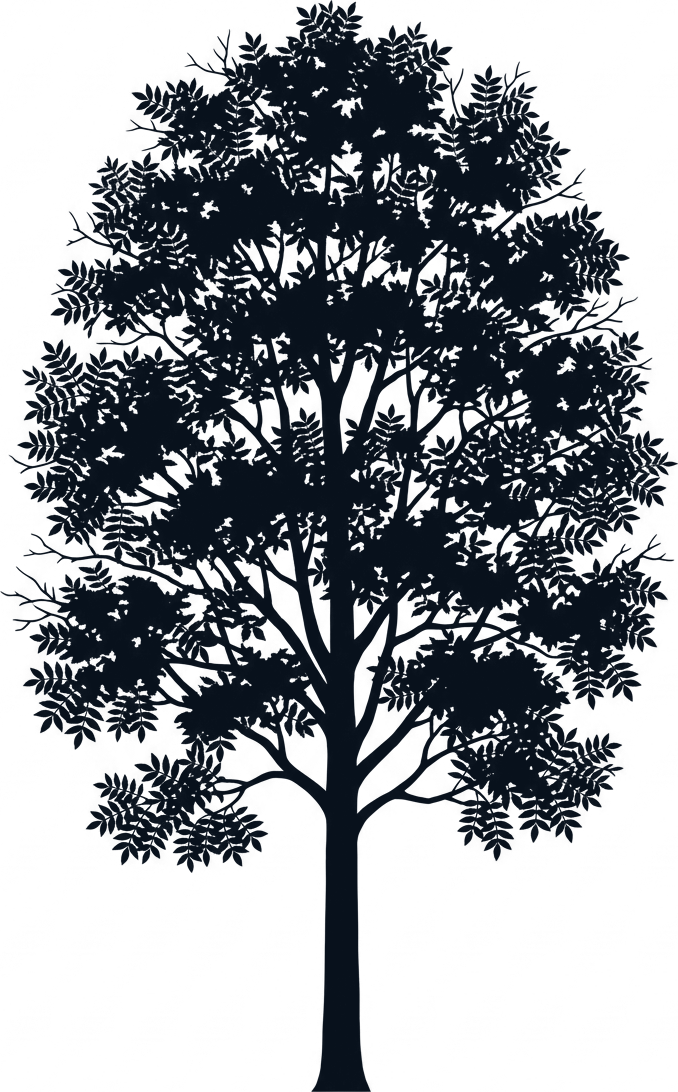
If a big tree in the Valley is growing faster than everything around it and rattling in the slightest breeze, it's probably a cottonwood. This is a native — it belongs here — it just belongs in a wash, not over a garage.

01
Leaves

Glossy triangular leaves on flattened stems that flutter and clatter in any wind — the signature cottonwood shimmer. Reliable clear yellow in fall.

02
Bark

Smooth and pale gray-green on young trunks, aging into thick, deeply furrowed gray armor — a mature Fremont's trunk looks a century old at forty.

03
The cotton

Female trees release drifts of cotton-tufted seed in late spring — it mats window screens, clogs AC condensers and pool skimmers, and carpets whole cul-de-sacs. Male trees make none.

04
Where it shows up

Anywhere the water is: lawn-heavy yards, pond and pool margins, leach-field lines, and every natural wash from Littlerock to Acton.

SPECIES FILE — COTTONWOOD

Botanical
Populus fremontii
Mature size
40–90 ft, with crowns nearly as wide as tall
Growth rate
Explosive — 4–6 ft a year with water
Lifespan
Short for its size; yard trees often decline early
Watch for
Cotton drift in late spring · limbs down after heat · mushrooms at the base
Also called
Fremont cottonwood · poplar · álamo

What goes wrong

The trouble it causes here.

01

Weak wood at huge scale

Cottonwood grows the weakest wood of any big tree in the Valley, then gets enormous. Limbs shear in wind, drop in summer heat, and the deadwood a declining cottonwood makes is measured in hundreds of pounds. Our insurance guide's failure list puts it plainly: less frequent than pine or eucalyptus — but high-damage when it happens, because everything about the tree is big.
02

Roots that hunt plumbing

A wash native's roots are built to find water and follow it. In a yard that means irrigation lines, leach fields, pool plumbing, and older sewer laterals with jointed pipe — plus surface roots that buckle lawns and hardscape. It's the single most common regret we hear from cottonwood owners.

03

The June snow

Cotton season buries yards, pools, and AC units for weeks. There is no honest pruning fix — the cotton comes from the whole crown of a female tree, and no cut short of disfigurement changes that. We'd rather tell you that than sell you a trim that can't work.

04

Fast decline, visible warnings

Cottonwoods age fast and loudly: dark bleeding streaks of wetwood (slime flux) on the trunk, sour-smelling ooze, mushroom conks at the base, a thinning top. Each is the tree telling you where the decay is. A declining cottonwood sheds its crown a limb at a time — over whatever's beneath it.

05

Wrong-place plantings

Most Valley cottonwood problems are placement problems: a 70-foot water-seeking giant planted ten feet from a house, over a septic system, or under a service drop. The tree is doing exactly what its species does — the yard just can't afford it.

How we work it

How we handle this tree.

Cottonwood work is triage first, muscle second. The species declines fast enough that 'prune it or remove it' is a real fork — and when it is a removal, the wood is heavier than it looks, because it's mostly water.

01
Honest triage

Flux streaks, conks, cavities, and top dieback get read before anything gets quoted. A structurally sound cottonwood is a pruning customer; a decaying one over a bedroom is not. We tell you which you have, free.

02
Reduce the levers, clear the dead

End-weight off the long horizontals over targets, and deadwood out on a regular cycle — cottonwoods make deadwood faster than any tree in the Valley. Never topping: the regrowth is even weaker than what it replaces.

03
Rig the big wood

Removals come down in roped sections sized for water-heavy wood — a cottonwood round weighs dramatically more than the same-size pine. The over-structure giants are exactly what the published crane/technical tier is for.

04
Grind it below grade

Cottonwood stumps sucker back ferociously if left. Grinding 4–6 inches below grade ends it — and if roots are already in a sewer line, we'll say so straight: grinding stops new growth, but the pipe conversation belongs to a plumber.

PUBLISHED PRICES — IN WRITING

By the time a cottonwood is a problem it's usually a big one: most removals land in the published large tier, $1,500–$4,000 per tree, with the over-structure and wash-side giants at $4,000–$10,000+ (crane / technical). Smaller ones price at the published $300–$900 and $700–$1,800 tiers; trimming runs $150–$800 per tree.

See what your job costs →

RANGES FROM OUR 2026 COST GUIDE · EXACT QUOTE IS FREE, ON-SITE

Before anyone cuts

One honest wrinkle: the wash

A cottonwood in your yard is normal removal work. A cottonwood growing in or along a live wash or creek bed can be a different story — work in riparian habitat can involve state streambed and habitat rules before anyone cuts. It comes up on rural east-Valley and foothill parcels, and we flag it during the free estimate rather than discovering it afterward. When approvals apply, city by city →

From our own jobs

This species, our crew.

Full gallery →

Straight answers

Asked constantly.

Real questions from Antelope Valley phone calls — answered the same way we answer them on your driveway.

STILL WONDERING?Ask a human instead.661-644-7347

Weak, water-heavy wood plus summer heat stress — cottonwoods are one of the classic summer branch drop species. The practical fix is end-weight reduction on the long horizontal limbs and regular deadwood removal. If the drops are coming with flux streaks or mushrooms at the base, it's decline, and that's an evaluation conversation, not just a trim.

Honestly: no. The cotton comes from every seed catkin on a female tree, and no pruning short of destroying the crown reduces it meaningfully. Your real options are living with June, or replacing the tree — and we'd rather tell you that on your driveway than sell you a trim that won't work.

If you have a thirsty cottonwood within reach of an older jointed or clay lateral and your drains have slowed, it's a fair suspicion — this species hunts water harder than almost anything planted here. A plumber's camera answers it for certain. What we can promise: removal plus grinding stops any new intrusion permanently.

Treat it seriously. Conks and mushrooms on or beside the trunk mean fungal decay in the wood or roots — and in a tree this heavy, base decay is the failure mode that drops the whole thing. That's a call-us-this-week evaluation, especially if the tree stands over the house. The look is free.

Priority dispatch

Emergencies jump the queue. 24/7.

A split trunk or a tree on your roof doesn't go on a waitlist. Emergency calls get the next available crew — any hour, any day — and you reach the crew, not a call center.

661-644-7347
I need emergency tree removal

24/7 · LICENSED #1091603 · BONDED · WORKERS' COMP ON FILE

Not sure it's an emergency? Here's what counts →