CA LICENSE #1091603 · BONDED · WORKERS' COMPMON–SAT 7AM–7PM · 24/7 EMERGENCY
  1. Home
  2. Trees
  3. Sycamore

The species file · sycamores

Nothing about a sycamore is small. Including its habits.

Two trees share the name here: the native California sycamore, sprawling and crooked along washes and old ranch yards, and the London plane, its tidier street-tree cousin. Both grow huge, both wear the beautiful puzzle-piece bark — and both brown out every wet spring, bury yards in leaves the size of dinner plates, and put roots wherever the concrete used to be flat.

FREE ESTIMATES · NO DEPOSIT · NO OBLIGATION

#1091603CSLB LICENSE — ACTIVE
$25,000CONTRACTOR'S BOND
State FundWORKERS' COMP ON FILE
5.0GOOGLE · 50 REVIEWS
20+YEARS OF EXPERIENCE

Know your tree

Is this the tree in your yard?

The bark settles it from across the street: no other big Valley tree wears that mottled cream-and-gray camouflage. Up close, the two sycamores tell themselves apart by posture and seed balls.

01
The bark

Smooth plates of cream, tan, and gray peeling into a camouflage mosaic — brightest and smoothest high up, shaggier near the base on old natives.

02
Leaves

Huge maple-shaped leaves, fuzzy underneath — the fuzz itself is a fall irritant when you're raking a thousand of them.

03
Native or London plane

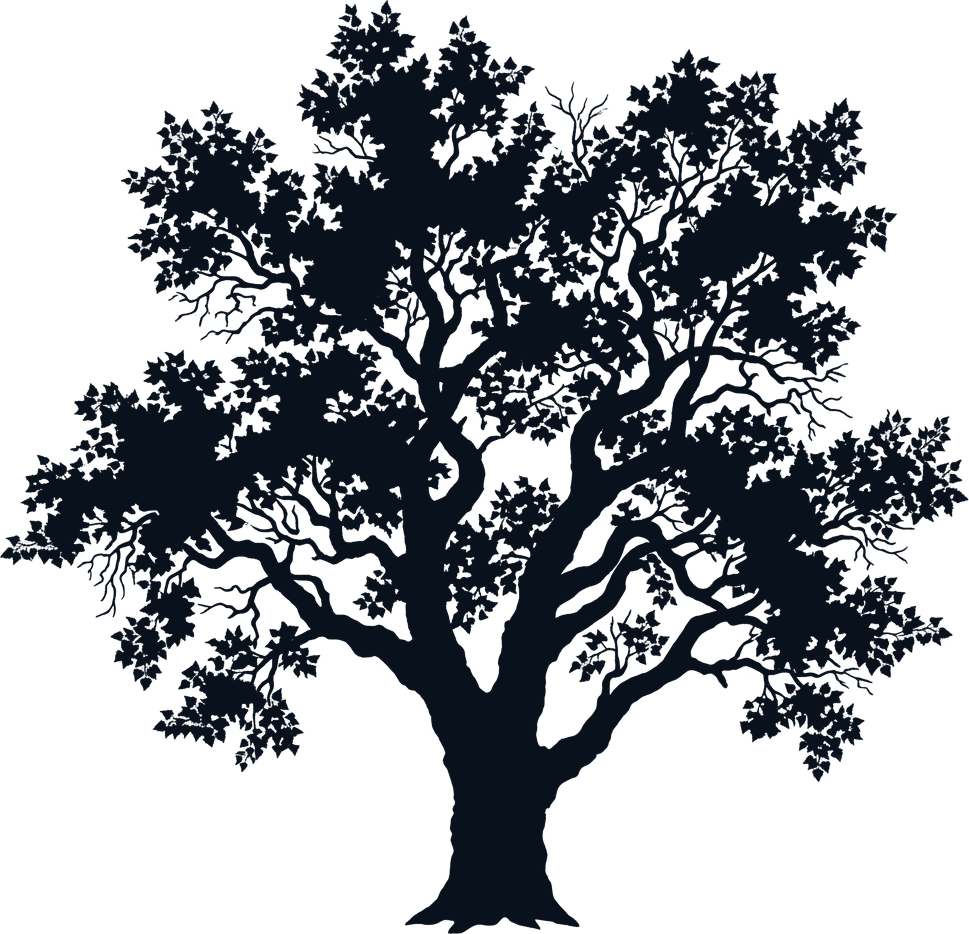
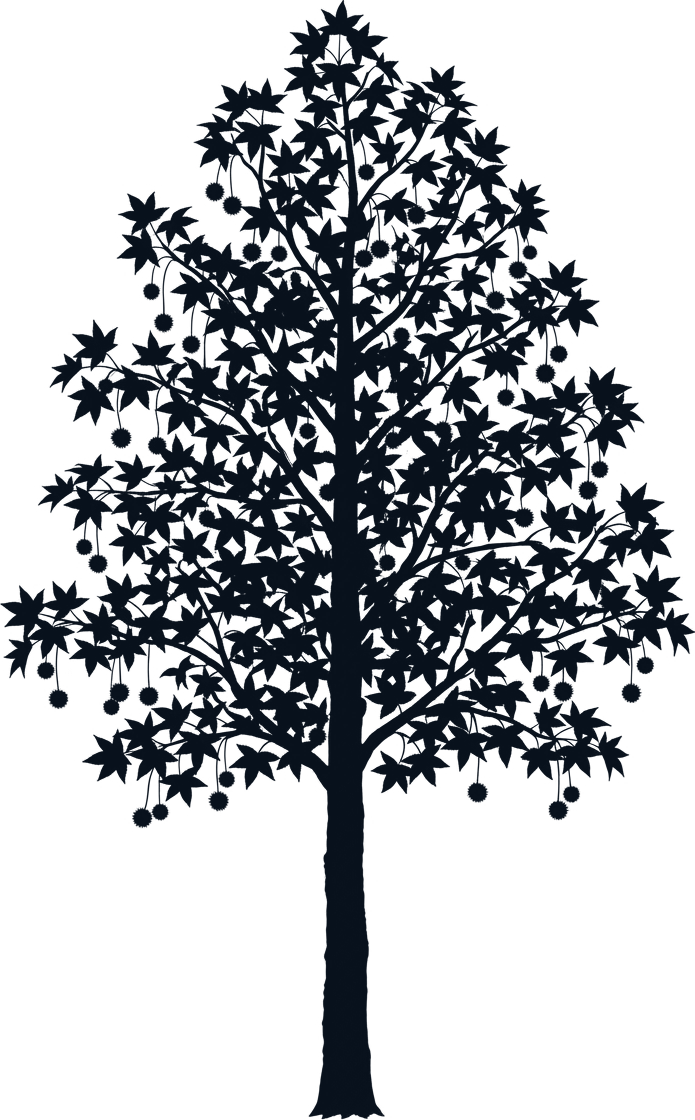
California sycamores lean, fork low, and sprawl, with seed balls strung several to a stem. London planes stand straighter in parkways, balls hanging one or two per stem.

04
The spring brown-out

New leaves that blacken, curl, and drop in a damp spring — followed by a second, healthy flush by summer — is anthracnose, the sycamore's signature fungus. Alarming, annual, rarely fatal.

SPECIES FILE — SYCAMORE

Botanical
Platanus racemosa · P. × hispanica
Mature size
40–100 ft, with trunks that lean and sprawl
Growth rate
Fast — among the fastest big natives
The bark
Mottled cream-gray puzzle plates, shed year-round
Watch for
Spring leaf browning · big surface roots · deadwood high in the crown
Also called
California sycamore · London plane · plane tree · aliso

What goes wrong

The trouble it causes here.

01

Anthracnose, every wet year

The fungus kills the first leaf flush and the twig tips that carried it — year after wet year, that twig kill builds witches'-brooms and a crown full of fine deadwood. The tree keeps living; the crown keeps getting messier and droppier. Cleanup pruning is how you reset the clock.
02

Litter at industrial scale

Dinner-plate leaves that decompose slowly, bark plates, seed-ball fluff, twig fall — a mature sycamore produces more cleanup per year than any other tree on this list. In a small yard, that's not a quirk; it's a workload.

03

Roots that redesign hardscape

Big buttressed surface roots lift sidewalks, driveways, and lawn into rolling terrain. Parkway London planes are the classic sidewalk-lawsuit tree across SoCal — the roots simply outgrow the strip they were given.

04

Big wood, high up

Sycamores carry massive horizontal limbs and accumulate real deadwood where nobody looks. Native trees leaning over yards from a wash edge add a lean that's been loading one side for fifty years. When sycamore wood comes down, it's heavy — the crown deserves professional eyes at intervals.

05

Native, and occasionally protected

The western sycamore is a California native, and a few SoCal cities protect natives beyond oaks — the City of LA, for one, lists it by name. Around the Antelope Valley it's mostly unregulated, but 'mostly' is doing work in that sentence: we check your city's list before quoting a removal.

How we work it

How we handle this tree.

Sycamore work is mostly altitude and honesty: the important cuts are high, heavy, and invisible from the ground, and the important advice is about what this tree costs to live under.

01
Clean the crown

Deadwood and anthracnose-killed twig masses come out on a cycle — that's the fall hazard and half the litter dealt with in one pass. On big natives this is climbing work, done properly roped.

02
Weight off the long horizontals

End-weight reduction on the big limbs over roofs, drives, and play areas. On leaning wash-edge natives we work with the lean, not against it — reducing the loaded side the tree has spent decades building.

03
Call the fungus what it is

Anthracnose can't be pruned away and spray programs are licensed-applicator work with mixed value on big trees. What actually helps: sanitation pruning, airflow through the crown, and knowing the spring brown-out for what it is before anyone sells you a cure.

04
Removals at true scale

A mature sycamore removal is big-wood rigging — sectional, roped, and unsentimental about weight. Over structures it's exactly what the published crane/technical tier exists for. And before any native comes down, the local ordinance gets checked.

PUBLISHED PRICES — IN WRITING

Sycamore trimming follows the published $150–$800 per tree, with big neglected crowns at the top. Removals run the published tiers — most mature sycamores are large-tier jobs at $1,500–$4,000, with over-structure giants at $4,000–$10,000+ (crane / technical).

See what your job costs →

RANGES FROM OUR 2026 COST GUIDE · EXACT QUOTE IS FREE, ON-SITE

Straight answers

Asked constantly.

Real questions from Antelope Valley phone calls — answered the same way we answer them on your driveway.

STILL WONDERING?Ask a human instead.661-644-7347

Almost certainly not — that's anthracnose, the sycamore's annual spring fungus. Cool damp weather kills the first flush of leaves, the tree looks terrible for six weeks, then pushes a healthy second flush by summer. The pattern to actually worry about is dieback that persists into July or a crown that thins year over year — send us a photo and we'll tell you which you've got.

Meaningfully, yes — most of what a sycamore rains down in a normal week is deadwood, killed twigs, and congested growth, and a proper crown cleaning removes exactly that. What remains is the tree's baseline: big leaves in fall, bark year-round. That part is the price of owning the biggest shade on the block.

It depends which roots. Some lifting roots can be cut or shaved safely; the big structural ones can't without destabilizing a very large tree. Real options run from root-aware hardscape repair (bridging, rerouting) to removal when the tree and the driveway genuinely can't share the space. We'll walk it with you and price the real paths.

If it's a native western sycamore, possibly — a few SoCal cities protect natives beyond oaks, and the rules change at each city line. Around Palmdale and Lancaster the answer is usually no, but we confirm against your city's list before quoting any removal. It's a five-minute check that prevents a five-figure mistake.

Priority dispatch

Emergencies jump the queue. 24/7.

A split trunk or a tree on your roof doesn't go on a waitlist. Emergency calls get the next available crew — any hour, any day — and you reach the crew, not a call center.

661-644-7347
I need emergency tree removal

24/7 · LICENSED #1091603 · BONDED · WORKERS' COMP ON FILE

Not sure it's an emergency? Here's what counts →