CA LICENSE #1091603 · BONDED · WORKERS' COMPMON–SAT 7AM–7PM · 24/7 EMERGENCY
  1. Home
  2. Trees
  3. California oak

The species file · native oaks

Before anyone touches a native oak, know who's protecting it.

California's native oaks — valley oaks in the flats, blue and scrub oaks in the foothills, coast live oaks over the pass — are the state's signature trees, and many Southern California cities and counties protect them by ordinance. They're also slow-growing, centuries-lived, and easily killed with kindness. Oak work is the most careful work we do: right cuts, right season, right paperwork.

FREE ESTIMATES · NO DEPOSIT · NO OBLIGATION

#1091603CSLB LICENSE — ACTIVE
$25,000CONTRACTOR'S BOND
State FundWORKERS' COMP ON FILE
5.0GOOGLE · 50 REVIEWS
20+YEARS OF EXPERIENCE

Know your tree

Is this the tree in your yard?

In the Antelope Valley proper, natives live mostly on foothill and rural parcels — Acton, Littlerock, the Sierra Pelona edges — plus planted valley oaks in older yards. Over the pass in Santa Clarita, coast live oaks are everywhere. So are the ordinances.

01
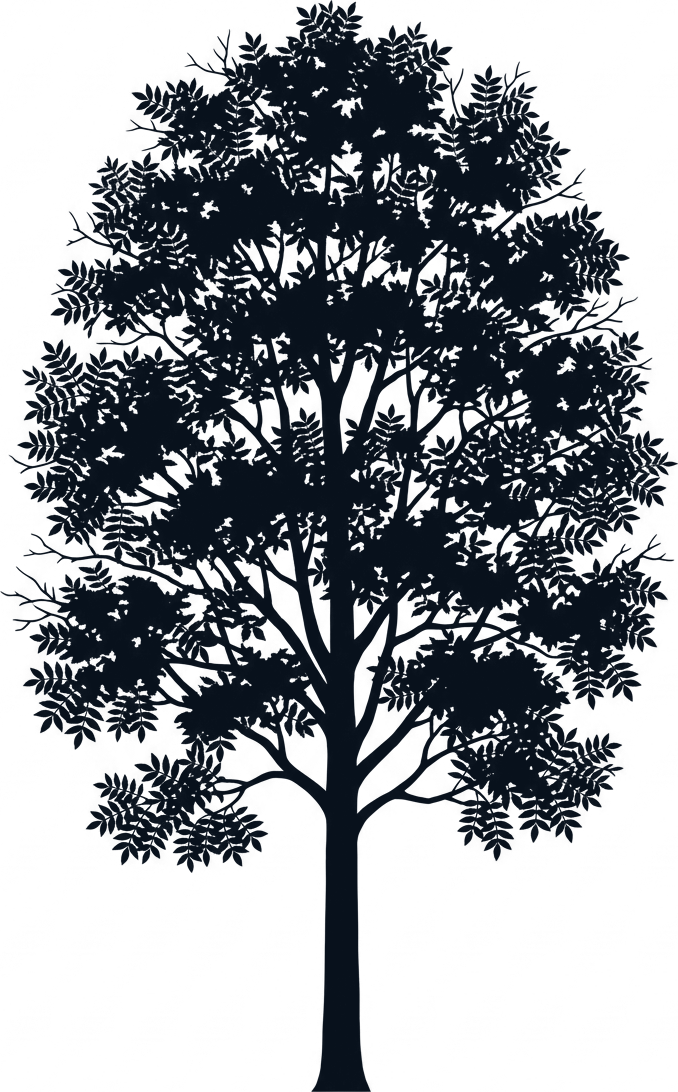
Valley oak

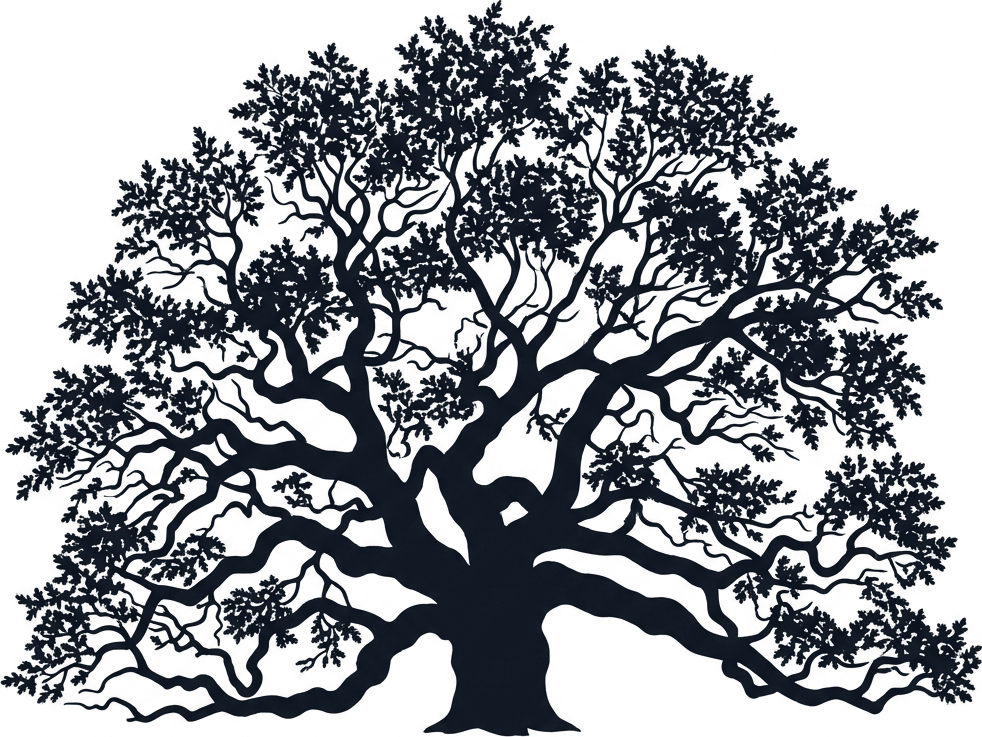
Deeply lobed, rounded leaves; thick gray bark checked like alligator hide; a vast spreading crown whose outer limbs droop toward the ground. The giant of California's native trees.

02
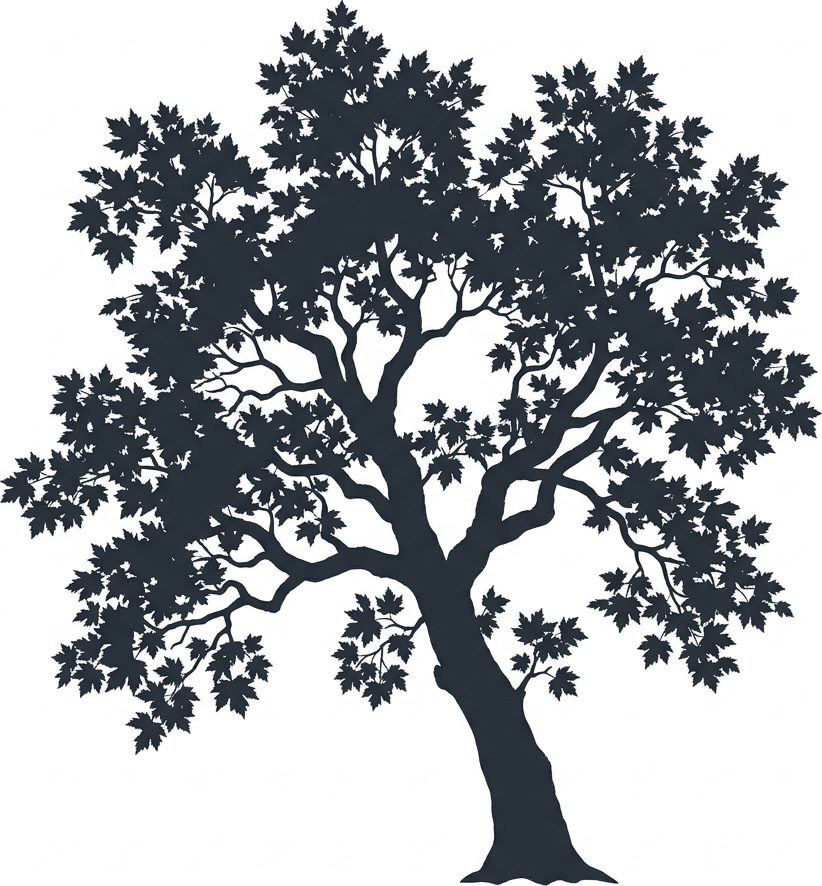
Coast live oak

Evergreen, with small cupped leaves edged in tiny spines and a dense, dark, domed crown — the default big tree of Santa Clarita yards and canyons.

03
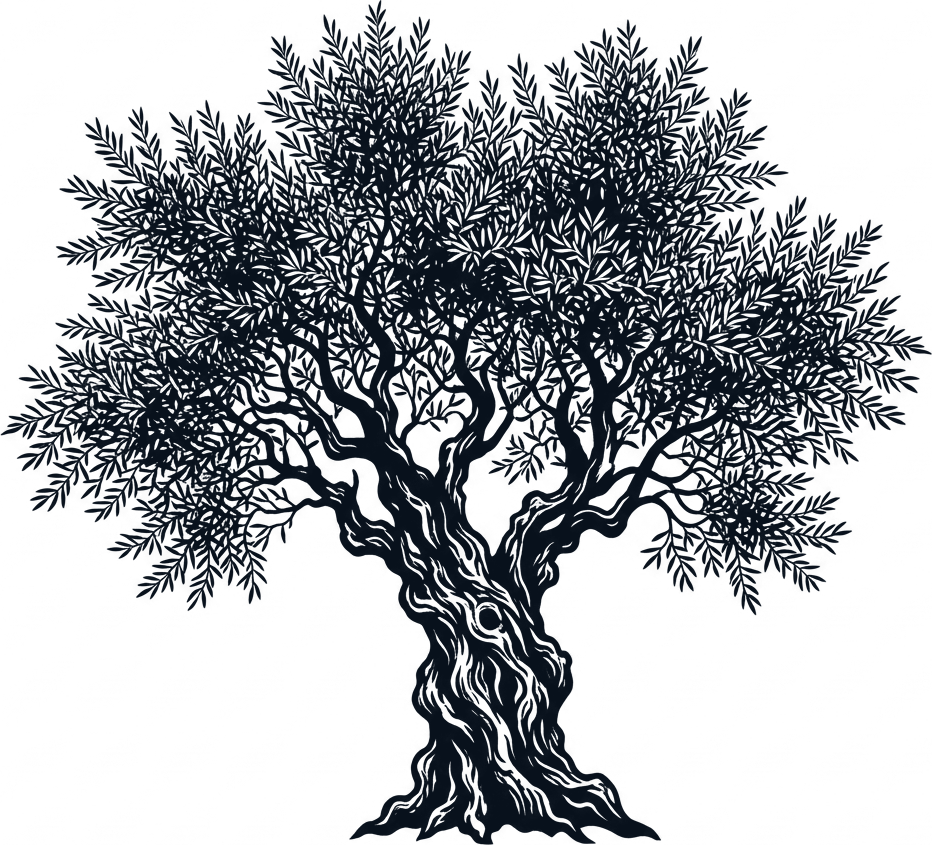
Blue & scrub oak

The foothill crowd: blue oaks with dusty blue-gray leaves on dry slopes, scrub oaks holding the chaparral line as big shrubs with acorns.

04
Acorns & oak apples

Acorns in fall settle any doubt. The golf-ball 'oak apples' on twigs are wasp galls — strange-looking, and harmless.

SPECIES FILE — CALIFORNIA OAK

Botanical
Quercus lobata · Q. agrifolia · Q. douglasii
Mature size
Valley oaks reach 60–100 ft and live for centuries
Growth rate
Slow — the one tree you can't replace in a lifetime
Legal status
Protected by ordinance in much of LA County & many cities
Watch for
Summer water at the trunk · grade changes · borer holes
Also called
valley oak · coast live oak · blue oak · native oak

What goes wrong

The trouble it causes here.

01

The ordinance you didn't know about

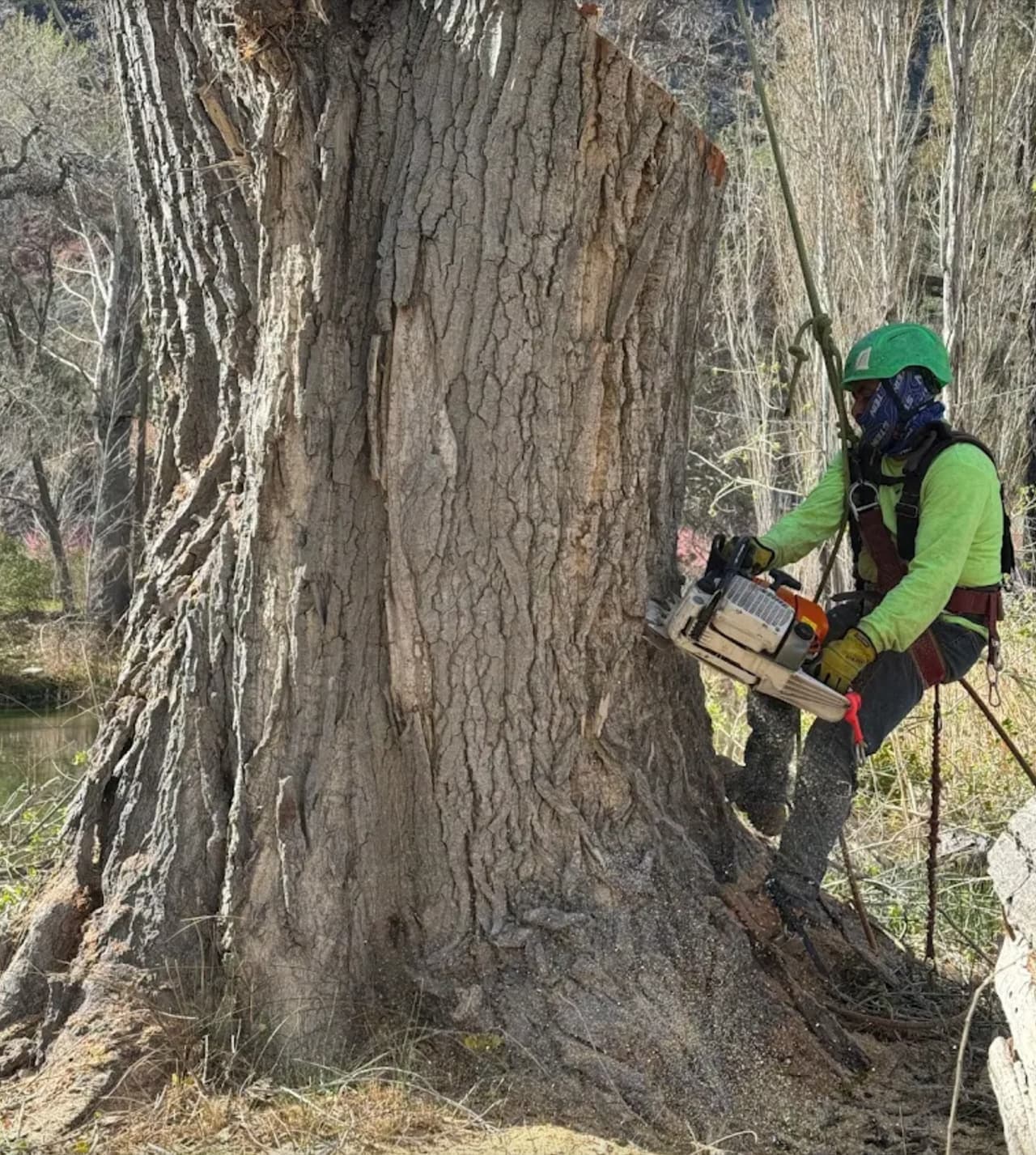
In much of LA County and many SoCal cities, removing a native oak — and often pruning more than a set fraction of one — requires a permit, with penalties that dwarf the cost of doing it right. The rules change at every city line. Any bid that skips this conversation is a bid to make their problem yours.
02

Killed with kindness

Native oaks evolved for bone-dry summers. Lawn sprinklers running against the trunk invite root-crown rot that takes the tree down over a slow decade — the classic 'my landscaping killed my oak' story. Grade changes, trenching, and compaction inside the dripline do the same damage below ground.

03

Goldspotted oak borer & sudden oak death

GSOB has been killing oaks across Southern California counties; sudden oak death hits coast live oaks nearer the coast. Neither is everywhere, but both reward early eyes: D-shaped exit holes, dark bleeding on the bark, a crown thinning from the top. Catching it early is the whole game.

04

Big wood over quiet patios

Old oaks shed serious deadwood, and live oaks occasionally drop large healthy limbs on hot, still days — the same summer limb drop eucalyptus is famous for. Under a crown people sit beneath, routine deadwooding isn't cosmetic, it's the point.

05

Enthusiastic pruning

Oaks want less pruning than people give them. Heavy thinning, interior stripping, big summer cuts — each one taxes a slow tree that banks its energy in decades, not seasons. The right oak trim usually looks like restraint.

How we work it

How we handle this tree.

Oak work runs on a different clock. Every decision assumes the tree took eighty years to get here and should get eighty more — and that somewhere, a city ordinance may have an opinion.

01
Rules before saws

Which jurisdiction, which ordinance, what's allowed with and without a permit — we sort the paperwork before we quote, and we don't do quiet weekend oak removals. Same stance as our Joshua tree policy, for the same reason.

02
Prune like it's irreplaceable

Conservative thinning, deadwood, clearance, and weight reduction over targets — inside the limits the ordinance and the tree's biology both set. No lion-tailing, no interior stripping, no 'while we're up there.'

03
Protect the ground it stands on

The advice is part of the visit: no summer water at the trunk, no grade changes or trenching inside the dripline, mulch where lawn used to be. Most oak trouble starts below ground, years before it shows above it.

04
The lawful hazard path

Dead, failing, or borer-killed oaks get documented, permitted where required, and removed safely — a standing dead oak is genuinely dangerous and most ordinances have a hazard route for exactly this. We handle it start to finish.

PUBLISHED PRICES — IN WRITING

Oak trimming follows the published $150–$800 per-tree range — conservative scopes, plainly priced. Lawful removals follow the published tiers ($1,500–$4,000 large; $4,000–$10,000+ technical), and protection usually adds permit lead time, not tricks. Be suspicious of any oak-removal bid that's fast, cheap, and quiet about permits.

See what your job costs →

RANGES FROM OUR 2026 COST GUIDE · EXACT QUOTE IS FREE, ON-SITE

Before anyone cuts

Native oaks come with paperwork. Good.

Oak ordinances are the reason the Valley's foothills still look like California. Rules vary sharply by city and county — protected species, trunk sizes, pruning percentages, replacement plantings — and finding out after the cut is the expensive way. We check the local rules as part of the free estimate and put the lawful path in writing. When approvals apply, city by city →

Straight answers

Asked constantly.

Real questions from Antelope Valley phone calls — answered the same way we answer them on your driveway.

STILL WONDERING?Ask a human instead.661-644-7347

Depends on your city, the species, and the trunk size — LA County and many SoCal cities protect native oaks by ordinance, with different thresholds each. We check the rules that apply to your parcel as part of the free estimate. What you shouldn't accept is 'don't worry about it' from anyone holding a saw.

Not at the trunk, and ideally not inside the dripline at all — native oaks evolved for dry summers, and warm wet soil at the root crown breeds the rot that kills them. In a hard drought year, an occasional deep soak out at the canopy edge is the safe version. A lawn against an oak's trunk is a slow-motion removal order.

Four things, mostly: goldspotted oak borer (D-shaped exit holes, top-down decline), sudden oak death on coastal live oaks (dark bleeding cankers), root rot from summer irrigation, and old age plus drought doing what they do. Each has visible early signs, and early is when anything useful can still be done.

Summer limb drop — old oaks (live oaks especially) sometimes release big healthy limbs in the heat, with no wind involved and no warning. It's not fully understood, but the practical response is: weight-manage the long horizontals over places people sit, and don't let an old crown go unassessed for decades.

Priority dispatch

Emergencies jump the queue. 24/7.

A split trunk or a tree on your roof doesn't go on a waitlist. Emergency calls get the next available crew — any hour, any day — and you reach the crew, not a call center.

661-644-7347
I need emergency tree removal

24/7 · LICENSED #1091603 · BONDED · WORKERS' COMP ON FILE

Not sure it's an emergency? Here's what counts →